
أزقة النجف والكوفة القديمة: صراع الهوية المعمارية والتراثية أمام تحديات البنية التحتية والواقع الخدمي
تقرير : سجاد العيساوي
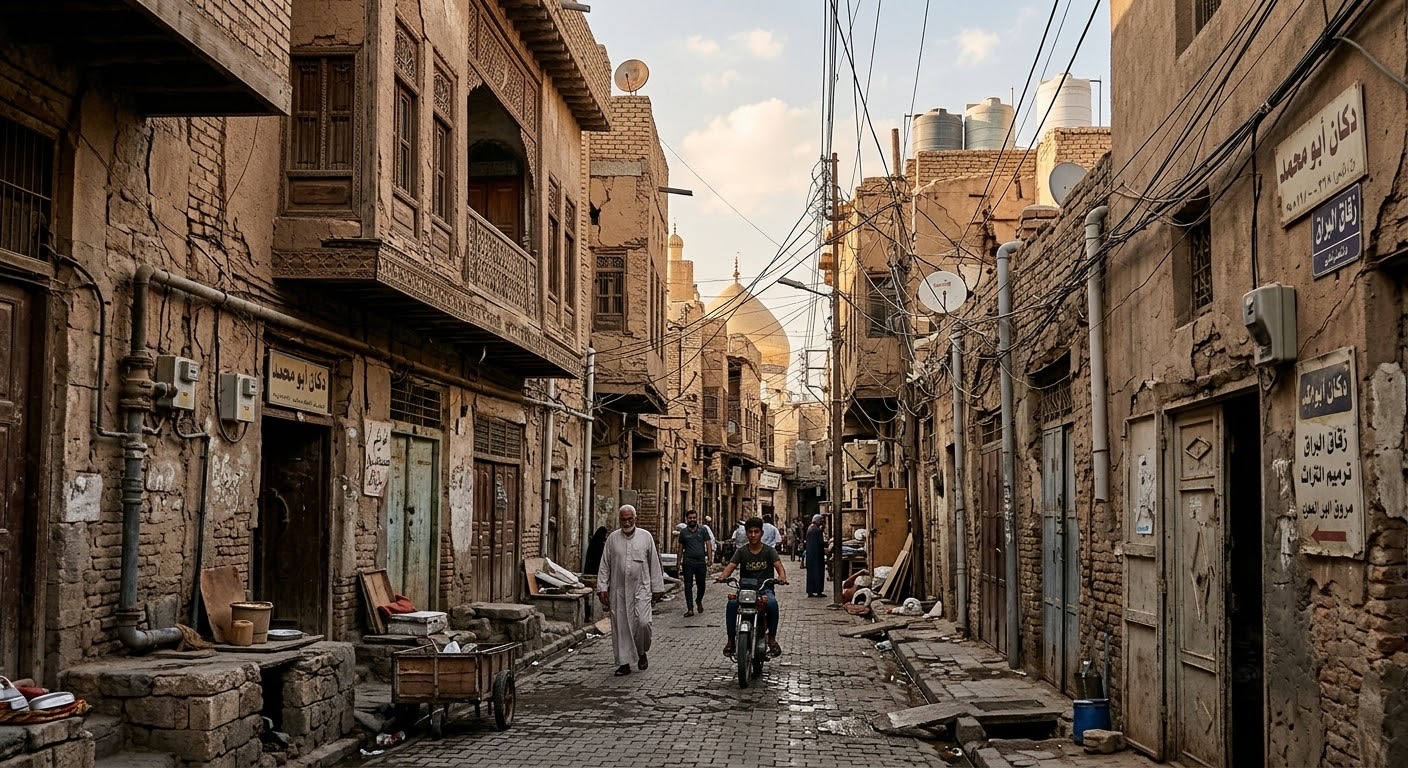
تختزن الأحياء القديمة والأزقة التراثية في مدينتي النجف والكوفة إرثاً معمارياً وثقافياً يمتد لعقود طويلة حيث تتجلى الأصالة في الأزقة الضيقة والمباني ذات الطراز المعماري الذي يعكس طبيعة الحياة الاجتماعية والجمالية لمنتصف القرن الماضي. وتضم هذه المناطق معالم بارزة وشواهد حيّة على الصناعات والحرف التقليدية التي قاومت الاندثار على مر العقود وفي مقدمتها صناعة الفخار والأسواق التراثية القديمة والتي تُعد جزأً أساسياً من الهوية الثقافية والذاكرة الجمعية للمنطقة.
على الجانب الآخر تفرض الحياة المعاصرة والتزايد السكاني واقعاً خدمياً معقداً داخل هذه الأحياء التراثية حيث تعاني العديد من الأزقة من تهالك الشبكات الخدمية ومحوددية البنى التحتية والتحديات المتعلقة بالنظافة العامة والتجاوزات التي تؤثر على الطابع العمراني والتنظيمي. وتتطلب هذه المعطيات استجابة ميدانية مستمرة من الجهات البلدية والتنفيذية عبر تكثيف الجولات الميدانية لمتابعة تقديم الخدمات الأساسية وتنظيم الشوارع ومعالجة المخالفات بما يعزز من جودة الحياة لقاطني هذه الأحياء دون الإضرار بنسيجها المعماري القديم.
يتطلب المستقبل تبني استراتيجية شاملة توازن بين صيانة الإرث التاريخي وتطوير المرافق الخدمية من خلال تنفيذ خطط مدروسة لترميم الأبنية الآيلة للاندثار واستثمارها في الجوانب الثقافية والسياحية. كما يقع على عاتق المؤسسات الإعلامية والجهات الصحفية دور محوري في تسليط الضوء على هذه المناطق عبر التوثيق المستمر ونقل الملاحظات والاحتياجات الخدمية إلى الجهات المعنية لمتابعتها ومعالجتها بشكل دوري
The Historic Alleys of Najaf and Kufa: Preserving Cultural Heritage Amidst Modern Infrastructure and Public Service Challenges
#Sajad Al_Esawie
The historic alleys and traditional quarters of Najaf and Kufa embody a rich architectural and cultural legacy spanning several decades, reflecting the social and aesthetic values of mid-20th-century urban design. These historic districts house significant cultural landmarks and traditional craftsmanship, such as classic pottery workshops and heritage marketplaces, which have maintained their identity and served as crucial components of the region’s historical memory despite rapid modernization.
Concurrently, modern demographic growth and daily urban activity present complex municipal challenges within these historic neighborhoods. Many old alleys face issues regarding aging infrastructure, limited public services, waste management, and unauthorized construction that disrupts the historic urban fabric. Addressing these challenges requires continuous field follow-ups by local administrative and municipal bodies to enhance basic service delivery, organize public spaces, and maintain safety and sanitation standards for local residents while respecting the historical integrity of the area.
Sustaining these heritage sites requires a comprehensive strategy that balances historic preservation with civil development. Establishing structured restoration projects can protect aging structures and adapt them for cultural and tourism purposes. Furthermore, local media institutions play a vital role in documenting this architectural legacy and conveying the community’s infrastructure needs to decision-makers to ensure sustainable urban management.

التعليقات مغلقة ، لكن٪ strackbacks٪ s و pingbacks مفتوحة.